

PE
Ayurvedic Approach to Managing Premature Ejaculation Naturally

Jan
Premature ejaculation is a common concern faced by many men at different stages of life. While it is often difficult to discuss openly, it can affect confidence, emotional well-being, and intimate relationships. Ayurveda, the ancient Indian system of holistic wellness, offers a natural and balanced perspective on managing such concerns by addressing the body and mind together.
Rather than focusing on quick fixes, Ayurveda emphasizes long-term balance, lifestyle discipline, and overall vitality.
Understanding Premature Ejaculation from an Ayurvedic Perspective
In Ayurveda, premature ejaculation is not viewed as a standalone condition. It is often linked to an imbalance of Vata dosha, which governs movement, nervous system activity, and mental stability. When Vata becomes aggravated due to stress, irregular routines, or poor diet, it may affect stamina, focus, and endurance.

Ayurveda also considers the health of Shukra Dhatu (reproductive tissue), which is responsible for vitality, strength, and confidence. Weakness in this tissue may result from stress, fatigue, improper digestion, or lifestyle imbalance.
Common Factors That May Contribute to Premature Ejaculation
According to Ayurvedic principles, several factors may influence early discharge:
- Mental stress and performance anxiety
- Irregular sleep patterns
- Weak digestion (Agni imbalance)
- Excessive consumption of stimulants such as caffeine or alcohol
- Emotional exhaustion and overexertion
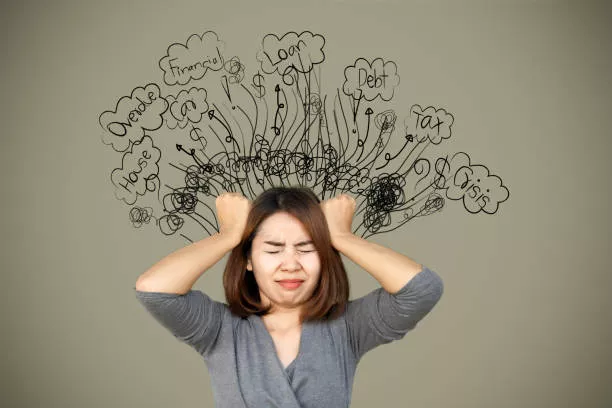
Ayurveda encourages identifying and correcting these root causes instead of addressing symptoms alone.
Ayurvedic Herbs Traditionally Used for Male Wellness (Premature Ejaculation)
Ayurveda has long relied on specific herbs to support overall male vitality and balance. Some traditionally used herbs include:
- Ashwagandha – Known for supporting stress management and strength
- Shilajit – Traditionally used to promote stamina and energy levels
- Safed Musli – Used in Ayurveda to nourish and strengthen reproductive tissues
- Kaunch Beej – Supports vitality and nervous system balance
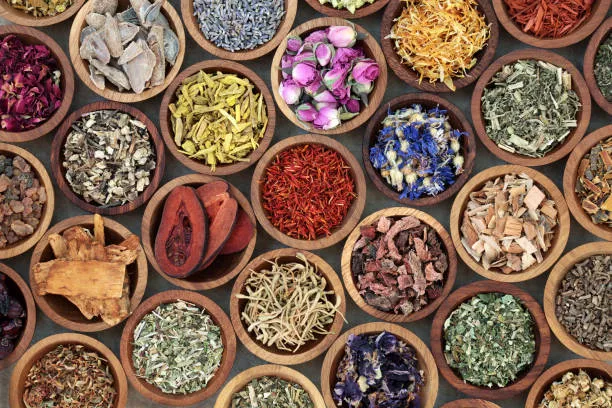
These herbs are typically used as part of well-balanced formulations designed to support general wellness.
Herbal support in Ayurveda is intended for overall health maintenance and should not be considered a medical treatment.
Dietary & Lifestyle Recommendations in Ayurveda
Ayurveda strongly emphasizes daily habits and routine (Dinacharya). Simple lifestyle adjustments can make a meaningful difference over time.
Diet Tips
- Consume warm, nourishing foods
- Include milk, ghee, nuts, seeds, and whole grains
- Avoid excessively spicy, fried, or processed foods
- Stay well hydrated
Lifestyle Practices
- Maintain a consistent sleep schedule
- Practice yoga and breathing exercises (Pranayama)
- Reduce stress through meditation or mindfulness
- Avoid overexertion and irregular routines
These practices aim to calm the nervous system and restore balance naturally.
Why Ayurveda Encourages a Holistic, Long-Term Approach
Unlike short-term solutions, Ayurveda focuses on strengthening the body from within. By supporting digestion, mental calmness, and tissue nourishment, it aims to enhance overall stamina, confidence, and well-being gradually.
Consistency and patience are considered essential aspects of the Ayurvedic lifestyle.
Choosing Authentic Ayurvedic Support
When exploring Ayurvedic supplements or formulations, it is important to choose trusted sources that prioritize quality and transparency. Always look for products that:
- Use traditional ingredients responsibly
- Follow quality and safety standards
- Are compliant with UK regulations
At Global Ayucare, we are committed to offering authentic Ayurvedic formulations designed to support overall wellness using time-tested herbal knowledge.
Conclusion
Premature ejaculation is a common and manageable concern when addressed holistically. Ayurveda provides a gentle, natural framework that focuses on balancing the mind, body, and lifestyle rather than relying on temporary solutions.
If you are considering Ayurvedic supplements or lifestyle changes, it is advisable to consult a qualified healthcare professional to determine what is right for you.
Disclaimer
This content is for educational purposes only and does not replace professional medical advice, diagnosis, or treatment.
