

Skin Care
Ayurvedic Approach to Managing Psoriasis | Natural Wellness Guide UK
Feb
Reviewed by Ayurvedic Wellness Experts
This article is written for educational and wellness purposes and follows responsible health-content guidelines. Ayurvedic practices may support overall skin wellness and healthy lifestyle management. Always consult a qualified healthcare professional for personalised medical advice.
Introduction
Psoriasis is a long-term skin condition that can affect both physical comfort and emotional well-being. Many individuals experience dry patches, redness, itching, or flaky skin that may come and go over time. Because triggers and symptoms can vary from person to person, many people explore supportive wellness approaches alongside professional healthcare guidance.
In Ayurveda, skin wellness is closely connected to digestion, lifestyle balance, stress management, and daily self-care practices. An Ayurvedic approach to managing psoriasis focuses on supporting overall wellness through traditional herbs, mindful routines, balanced nutrition, and healthy living habits.
This guide explores psoriasis symptoms, common triggers, Ayurvedic perspectives, skincare practices, dietary suggestions, and lifestyle recommendations that may help support skin wellness naturally.
What Is Psoriasis?
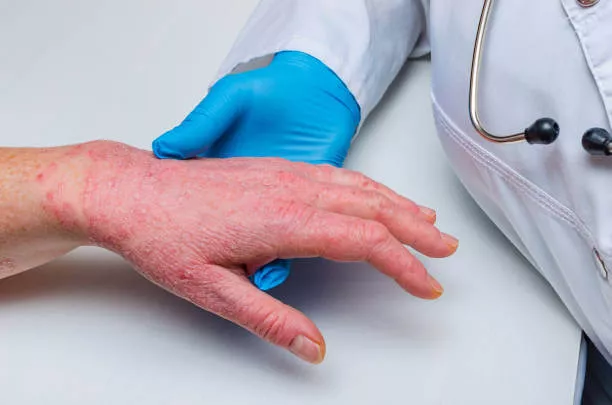
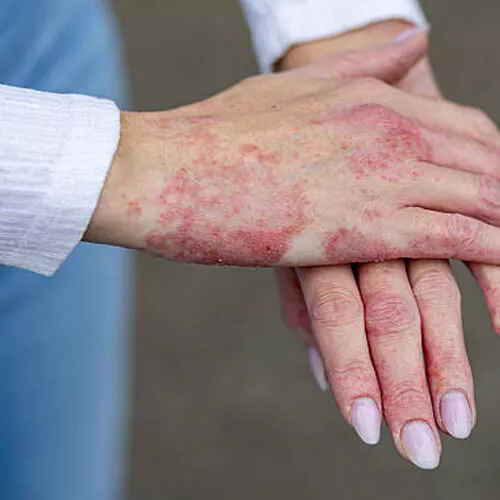
Psoriasis is a chronic skin condition associated with rapid skin cell turnover. This may lead to thick, dry, scaly, or irritated patches on the skin. Symptoms can appear in cycles and may vary in intensity.
Commonly affected areas include:
- Elbows
- Knees
- Scalp
- Lower back
- Hands and feet
- Nails
Psoriasis is not contagious, but environmental, lifestyle, and immune-related factors may influence flare-ups.
Common Symptoms of Psoriasis
Psoriasis symptoms can differ depending on the type and severity. Some people experience mild irritation, while others may face persistent discomfort.
Common psoriasis symptoms include:
- Red or inflamed skin patches
- Dry or cracked skin
- Flaky or silvery scales
- Itching or burning sensation
- Thickened skin areas
- Scalp irritation
- Nail texture changes
- Skin sensitivity
Some individuals may notice seasonal flare-ups, particularly during colder weather or stressful periods.
Types of Psoriasis
Understanding the different types of psoriasis may help individuals identify symptoms more effectively and seek appropriate support.
| Type of Psoriasis | Common Features |
|---|---|
| Plaque Psoriasis | Thick, dry, scaly patches |
| Scalp Psoriasis | Flaking and irritation on the scalp |
| Guttate Psoriasis | Small drop-shaped spots |
| Inverse Psoriasis | Appears in skin folds |
| Pustular Psoriasis | White pustules with redness |
| Nail Psoriasis | Nail discolouration or thickening |
Common Psoriasis Causes & Triggers
While the exact cause of psoriasis remains complex, several factors may contribute to flare-ups or worsening symptoms.
Common psoriasis triggers include:
- Stress and anxiety
- Cold weather
- Dry skin
- Smoking
- Excess alcohol consumption
- Certain medications
- Poor sleep habits
- Skin irritation
- Dietary imbalances
- Infections
Identifying personal triggers may help improve long-term skin wellness management.
Ayurvedic View of Psoriasis
In Ayurveda, skin wellness is connected to internal balance. Traditional Ayurvedic principles often associate chronic skin discomfort with imbalances in the body’s natural energies, known as doshas.
Ayurveda places importance on:
- Balanced digestion
- Healthy daily routines
- Stress management
- Proper hydration
- Seasonal wellness practices
- Gentle skincare habits
Rather than focusing only on external symptoms, Ayurveda traditionally aims to support overall harmony within the body and mind.
Ayurvedic Herbs Traditionally Used for Skin Wellness
Several herbs have been traditionally used in Ayurvedic wellness practices to support healthy skin and overall balance.
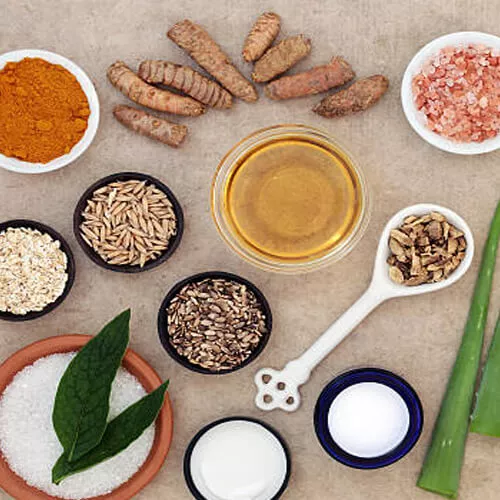
Common Ayurvedic herbs for psoriasis support include:
Neem
Traditionally used for skin purification and wellness support.
Turmeric
Widely known in Ayurveda for its antioxidant and wellness-supportive properties.
Manjistha
Traditionally used in Ayurvedic skincare practices for maintaining skin balance.
Aloe Vera
Commonly used for soothing and hydrating dry or irritated skin.
Guduchi
Traditionally valued for supporting overall wellness and immune balance.
Khadira
Used in traditional Ayurvedic skincare formulations.
Important: Herbal approaches should always be discussed with a qualified healthcare or Ayurvedic professional before use.
Daily Skincare Tips for Psoriasis-Prone Skin
Gentle skincare habits may help support comfort and maintain healthier-looking skin.
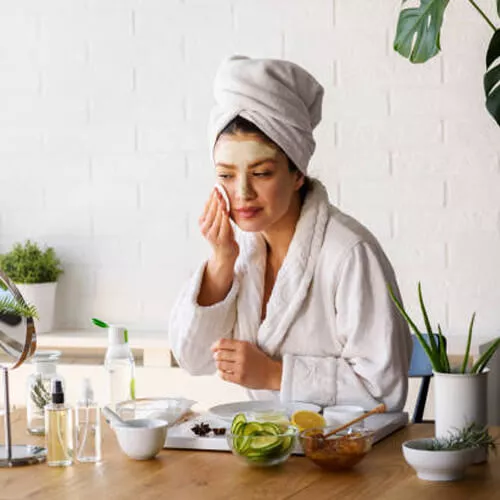
Recommended skincare practices:
- Use fragrance-free moisturisers
- Avoid harsh soaps and scrubs
- Keep skin hydrated
- Take lukewarm showers instead of hot water
- Use gentle scalp care products
- Pat skin dry instead of rubbing
- Protect skin during cold weather
Scalp Psoriasis Care Tips
Scalp psoriasis may cause itching, flaking, and dryness.
Helpful habits may include:
- Gentle scalp massage with suitable oils
- Avoiding excessive scratching
- Using mild shampoos
- Keeping the scalp moisturised
- Avoiding excessive heat styling
Psoriasis Diet Recommendations
Diet may play an important role in supporting skin wellness and overall health.
An Ayurvedic-inspired balanced diet often focuses on fresh, wholesome foods that support digestion and hydration.
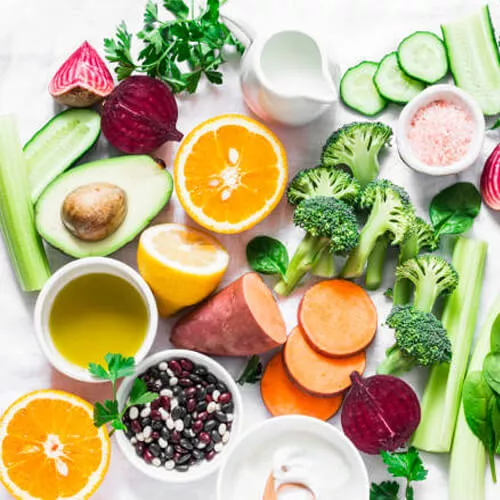
Foods that may support skin wellness:
Fresh vegetables, Seasonal fruits, whole grains, herbal teas, omega-rich foods, hydrating foods, light home-cooked meals
Hydration Tips
Proper hydration may help maintain healthy skin function.
Try to:
- Drink adequate water daily
- Reduce sugary beverages
- Include hydrating fruits
- Limit excessive caffeine intake
Foods That May Trigger Flare-Ups
Some individuals may notice worsening symptoms after consuming certain foods.
Possible dietary triggers may include:
- Highly processed foods
- Excess sugar
- Fried foods
- Excess dairy
- Alcohol
- Excess spicy foods
- Packaged snacks
Food triggers can vary between individuals, so maintaining a food journal may help identify patterns.
Lifestyle Tips for Better Skin Wellness
Lifestyle habits can influence overall skin health and comfort.
Helpful wellness habits include:
- Maintaining a routine
- Staying physically active
- Getting sufficient sleep
- Practising stress management
- Spending time outdoors
- Avoiding smoking
- Supporting digestive wellness
Consistency is often more important than short-term changes.
Stress & Sleep Management
Stress is commonly associated with psoriasis flare-ups. Mental wellness and skin health are often closely connected.
Stress-management techniques may include:
- Meditation
- Yoga
- Breathing exercises
- Walking in nature
- Digital detox routines
- Relaxation practices
Importance of Sleep
Poor sleep may negatively affect overall wellness and skin recovery.
Healthy sleep habits include:
- Maintaining consistent sleep schedules
- Reducing screen time before bed
- Creating a calm sleeping environment
- Avoiding heavy meals late at night
When to Consult a Professional
Professional medical advice is important if symptoms become severe, uncomfortable, or difficult to manage.
Seek guidance if you experience:
- Persistent irritation
- Painful skin cracking
- Worsening symptoms
- Nail changes
- Joint discomfort
- Emotional distress related to skin health
An Ayurvedic wellness expert or healthcare professional can help provide personalised guidance based on individual needs.
Quick Wellness Summary
| Wellness Area | Supportive Practices |
|---|---|
| Skin Hydration | Gentle moisturising |
| Diet | Fresh balanced meals |
| Stress | Meditation & relaxation |
| Sleep | Consistent sleep routine |
| Scalp Care | Mild cleansing practices |
| Lifestyle | Regular healthy habits |
Frequently Asked Questions
Can Ayurveda support psoriasis naturally?
Ayurveda may support overall skin wellness through balanced lifestyle practices, skincare routines, nutrition, and traditional herbal approaches.
What foods trigger psoriasis flare-ups?
Triggers vary by individual, but processed foods, excess sugar, alcohol, and fried foods are commonly discussed as possible contributors.
Is scalp psoriasis common?
Yes, scalp psoriasis is a commonly reported form of psoriasis and may involve itching, dryness, and flaking.
Which Ayurvedic herbs are traditionally used for psoriasis?
Neem, turmeric, manjistha, aloe vera, guduchi, and khadira are traditionally used in Ayurvedic wellness practices for skin support.
Can stress worsen psoriasis symptoms?
Stress is widely recognised as a possible trigger for flare-ups in some individuals.
What skincare routine is best for psoriasis-prone skin?
Gentle cleansing, moisturising, hydration, and avoiding harsh products may help support skin comfort.
Is psoriasis contagious?
No, psoriasis is not contagious.
How can lifestyle changes support skin wellness?
Healthy sleep, stress management, hydration, balanced nutrition, and regular routines may support overall skin wellness.
Educational Disclaimer
This article is intended for educational and informational purposes only and should not be considered medical advice. Ayurvedic wellness practices may support overall skin wellness, but results can vary by individual. Always consult a qualified healthcare professional before making changes to your healthcare or wellness routine.
