

Mental Wellness
Best Herbs for Stress Relief: Ayurvedic & Natural Ways to Support Calm and Emotional Wellbeing
Mar
Introduction: Best Herbs for Stress Relief
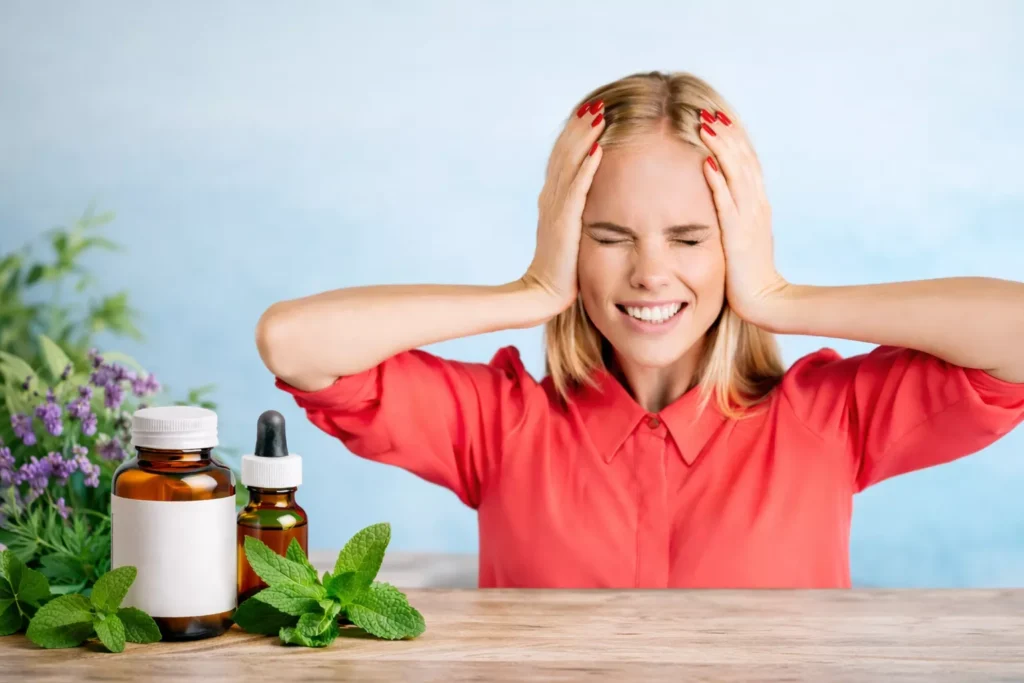
Stress has become a common part of modern life. Work demands, financial pressures, family responsibilities, poor sleep, and constant digital connectivity can all contribute to mental and physical strain.
While occasional stress is a normal response to challenges, ongoing stress may affect emotional wellbeing, sleep quality, concentration, energy levels, and overall quality of life.

Many people explore natural wellness approaches alongside healthy lifestyle habits. Among these approaches, herbal remedies and Ayurvedic herbs have been traditionally used to support relaxation, resilience, and emotional balance.
This guide explores some of the best herbs for stress relief, how they may support the body’s natural stress response, and practical ways to incorporate them into a balanced wellness routine.
Quick Takeaways
✔ Stress can affect sleep, mood, concentration, and energy levels.
✔ Adaptogenic herbs may help the body adapt to everyday stressors.
✔ Ashwagandha, Brahmi, Tulsi, Rhodiola, Lemon Balm, Chamomile, Passionflower, and Jatamansi are among the most commonly used herbs for stress support.
✔ Diet, exercise, meditation, and quality sleep remain essential components of stress management.
✔ Herbal supplements should complement—not replace—professional healthcare advice.
Understanding Stress in Modern Life
Stress is the body’s natural response to perceived challenges or demands.
When stressful situations occur, the body activates its “fight-or-flight” response, releasing hormones such as cortisol and adrenaline. While this response can be useful in short-term situations, prolonged activation may place strain on the body and mind.
Common Signs of Stress
Stress symptoms vary between individuals but may include:
- Difficulty relaxing
- Feeling overwhelmed
- Irritability
- Poor concentration
- Fatigue
- Sleep disturbances
- Headaches
- Muscle tension
- Digestive discomfort
- Reduced motivation
What Causes Stress?
Common triggers include:
- Work pressure
- Financial concerns
- Relationship challenges
- Lack of sleep
- Health concerns
- Excessive screen time
- Major life changes
How Chronic Stress Affects the Body
Long-term stress may influence:
| Area | Potential Impact |
|---|---|
| Sleep | Difficulty falling asleep |
| Energy | Fatigue and burnout |
| Mood | Irritability and low motivation |
| Focus | Reduced concentration |
| Immune Function | Increased vulnerability during stressful periods |
| Digestive Health | Stress-related digestive discomfort |
How Herbs May Support Stress Management
Many herbs traditionally used in Ayurveda and herbal wellness are believed to support the body’s natural ability to adapt to stress.
Rather than acting as instant solutions, these herbs are often used as part of a broader wellness strategy that includes healthy nutrition, sleep, exercise, and mindfulness practices.
What Are Adaptogenic Herbs?
Adaptogens are herbs traditionally believed to help the body maintain balance during physical and emotional stress.
Common adaptogens include:
- Ashwagandha
- Tulsi
- Rhodiola
- Ginseng
Research continues to explore how these herbs may influence the body’s stress-response systems.
The Ayurvedic Perspective on Stress
In Ayurveda, stress is often associated with imbalance, particularly involving Vata dosha. Traditional Ayurvedic practices focus on supporting mental calmness through:
- Herbal support
- Consistent routines
- Warm nourishing foods
- Meditation
- Yoga
- Adequate rest
Best Herbs for Stress Relief
1. Ashwagandha (Withania somnifera)
Among the best herbs for stress relief, Ashwagandha is often one of the most researched and widely used Ayurvedic adaptogens.
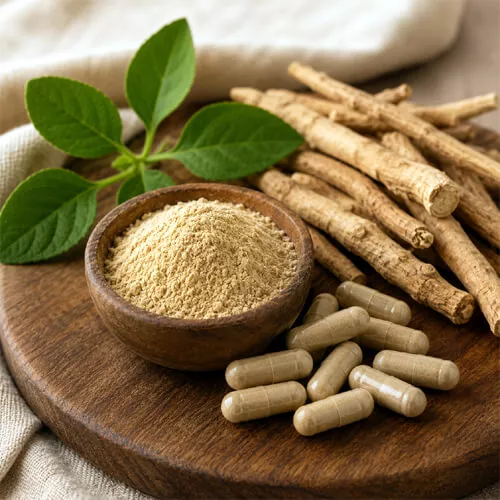
Traditionally classified as a rejuvenating herb, Ashwagandha is commonly used to support resilience, relaxation, and overall wellbeing. Research suggests it may support healthy cortisol regulation and stress adaptation.
Potential Benefits
- Supports the body’s natural stress response
- May promote calmness
- Supports healthy sleep patterns
- May help maintain energy during stressful periods
2. Brahmi (Bacopa monnieri)
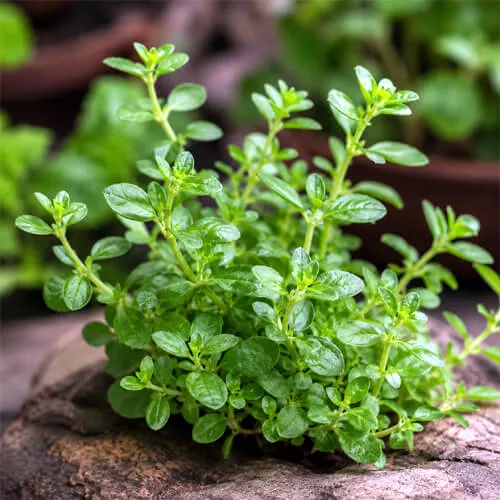
Brahmi is another herb commonly featured among the best herbs for stress relief due to its association with mental clarity and emotional balance.
Potential Benefits
- Supports focus and concentration
- Helps maintain mental calmness
- May support memory and cognitive performance
- Traditionally used during periods of mental overload
3. Tulsi (Holy Basil)
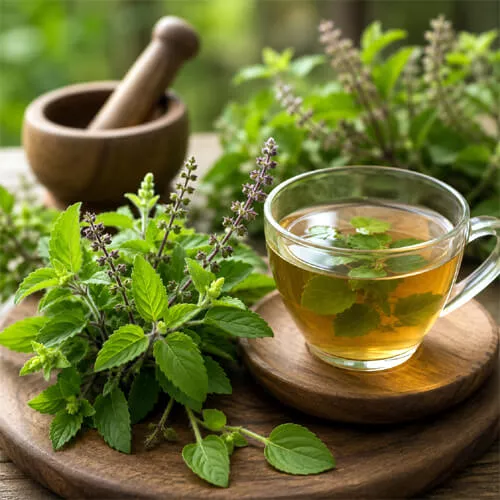
Tulsi is frequently included in discussions about the best herbs for stress relief because of its long history of traditional use in Ayurveda. Tulsi is often referred to as the “Queen of Herbs” in Ayurveda.
Potential Benefits
- Supports emotional wellbeing
- Traditionally used to promote relaxation
- May support resilience during stressful situations
- Often consumed as herbal tea
4. Rhodiola Rosea
Rhodiola is a popular adaptogenic herb used to support mental and physical stamina.
Potential Benefits
- Supports mental endurance
- May help maintain focus under pressure
- Supports energy levels during demanding periods
5. Lemon Balm
Lemon Balm is traditionally used to promote relaxation and emotional comfort.
Potential Benefits
- Supports relaxation
- May encourage restful sleep
- Traditionally used for occasional nervous tension
6. Chamomile
Chamomile is one of the most widely recognised calming herbs.
Potential Benefits
- Supports relaxation
- Commonly consumed before bedtime
- May assist with healthy sleep routines
7. Passionflower
Passionflower has traditionally been used to support relaxation and sleep quality.
Potential Benefits
- Promotes calmness
- Supports bedtime routines
- May assist with occasional restlessness
8. Jatamansi
Jatamansi is an important Ayurvedic herb traditionally associated with mental calmness and sleep support.
Potential Benefits
- Supports relaxation
- Traditionally used for emotional balance
- May support healthy sleep habits
Comparison Table: Best Herbs for Stress Support
| Herb | Traditional Use | Best For |
|---|---|---|
| Ashwagandha | Adaptogen | Everyday stress support |
| Brahmi | Cognitive support | Mental focus |
| Tulsi | Emotional balance | Daily wellbeing |
| Rhodiola | Adaptogen | Fatigue and resilience |
| Lemon Balm | Relaxation | Evening calm |
| Chamomile | Relaxation | Sleep support |
| Passionflower | Calmness | Restlessness |
| Jatamansi | Ayurvedic relaxation | Sleep and balance |
Choosing the Right Herb for Your Needs
Consider:
For Everyday Stress
- Ashwagandha
- Tulsi
For Mental Focus
- Brahmi
- Rhodiola
For Relaxation
- Lemon Balm
- Chamomile
For Sleep Support

- Passionflower
- Jatamansi
Diet Tips for Supporting Stress Resilience
A balanced diet may help support overall wellbeing.
Focus on:
- Whole grains
- Fresh vegetables
- Seasonal fruits
- Nuts and seeds
- Adequate hydration
- Omega-3-rich foods
Limit:
- Excess caffeine
- Excess sugar
- Highly processed foods
Lifestyle Habits That Work Alongside Herbs
Prioritise Quality Sleep
Aim for a consistent sleep schedule.
Practice Mindfulness

Meditation and breathing exercises may help support relaxation.
Stay Physically Active
Regular movement can support emotional wellbeing.
Reduce Digital Overload
Taking breaks from screens may help reduce mental fatigue.
A Simple Daily Ayurvedic Routine for Stress Support
Morning:
- Warm water upon waking
- Gentle stretching
- Mindful breathing
Afternoon:
- Balanced meals
- Regular hydration
- Short walking breaks
Evening:
- Screen-free wind-down time
- Herbal tea
- Consistent bedtime routine
When to Speak With a Healthcare Professional
Seek professional guidance if stress:
- Persists for several weeks
- Affects sleep significantly
- Impacts daily activities
- Contributes to emotional distress
A qualified healthcare professional can provide personalised advice and support.
FAQ SECTION
What is the best herb for stress relief?
Ashwagandha is among the most researched herbs for stress support, although individual needs vary.
Are adaptogenic herbs good for stress?
Adaptogens are traditionally used to support the body’s response to stress and maintain balance.
Can herbs help with sleep affected by stress?
Some herbs such as Lemon Balm, Chamomile, Passionflower, and Jatamansi are traditionally used to support relaxation and sleep.
How long do herbal supplements take to work?
Results vary. Consistent use over several weeks is often recommended.
Can I take more than one stress-support herb?
Some herbal blends combine multiple herbs. Always follow label guidance and seek professional advice where appropriate.
Is Tulsi good for emotional wellbeing?
Tulsi has traditionally been used to support emotional balance and resilience.
What foods help reduce stress naturally?
A balanced diet rich in fruits, vegetables, healthy fats, and whole grains may support overall wellbeing.
Can exercise help manage stress?
Regular physical activity is widely recognised as a helpful component of stress management.
Is stress linked to poor sleep?
Yes. Ongoing stress can contribute to difficulty falling or staying asleep.
Should I speak to a healthcare professional before using herbs?
Yes, especially if you are pregnant, breastfeeding, have a medical condition, or take medication.
Conclusion:
Choosing the best herbs for stress relief depends on your individual wellness goals, lifestyle, sleep habits, and stress triggers. Herbs such as Ashwagandha, Brahmi, Tulsi, Lemon Balm, and Jatamansi may support a balanced approach to emotional wellbeing when combined with healthy daily habits.
AUTHOR BIO
Reviewed by
Dr. Arindham Chatterjee
Founder – Global Ayucare
This article was reviewed by Dr. Arindham Chatterjee, founder of Global Ayucare. He writes about herbal supplements and natural wellness practices based on traditional herbal knowledge and publicly available research.
View Author Profile →
Disclaimer
This article is for educational purposes only and does not constitute medical advice. Food supplements should not be used as a substitute for a varied and balanced diet and a healthy lifestyle. If you have a medical condition or take medication, consult a qualified healthcare professional before using supplements.
