

-
×
 Dhanvantari Rasayan Churna
1 × £9.99
Dhanvantari Rasayan Churna
1 × £9.99
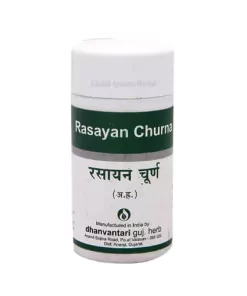 Dhanvantari Rasayan Churna
 Sciatica
Ayurveda for Sciatica: Traditional Remedies, Lifestyle Tips & Natural Wellness Support

21
Jul
Jul
Introduction
Sciatica is a common health concern associated with discomfort that follows the pathway of the sciatic nerve, which travels from the lower back through the hips and down the legs. People experiencing sciatica may notice symptoms such as lower back discomfort, stiffness, tingling sensations, reduced flexibility, or difficulty performing certain daily activities.
Modern healthcare approaches focus on identifying the underlying cause of sciatica and providing appropriate management options. Alongside these approaches, many people explore traditional wellness systems such as Ayurveda for additional lifestyle and wellbeing support.
Ayurveda is an ancient Indian health tradition that focuses on maintaining balance between the body, mind, environment, diet, and daily habits. Traditional Ayurvedic practices may include herbal preparations, massage therapies, movement practices, mindful routines, and personalised lifestyle recommendations.
When discussing Ayurveda for Sciatica, it is important to understand that Ayurveda is a complementary wellness approach and does not replace professional medical diagnosis or treatment. However, many people explore Ayurvedic principles to support relaxation, mobility, healthy routines, and overall musculoskeletal wellbeing.
This complete guide explores the Ayurvedic perspective on sciatica, traditional remedies, Ayurvedic medicines, lifestyle changes, diet recommendations, and practical wellness strategies.
Quick Takeaways: Ayurveda and Sciatica Support
| Topic | Key Information |
|---|---|
| Sciatica | Discomfort related to the sciatic nerve pathway |
| Ayurveda Approach | Focuses on balance, lifestyle, nourishment, and body awareness |
| Traditional Association | Often discussed in relation to Vata dosha |
| Common Practices | Massage, herbal preparations, yoga, diet, and daily routines |
| Professional Advice | Important for diagnosis and ongoing symptoms |
Understanding Sciatica
What Is Sciatica?
The sciatic nerve is the largest in the human body. It begins in the lower spine and travels through the hips, buttocks, and legs.
Sciatica refers to symptoms that occur along this nerve pathway. These symptoms may happen when the nerve becomes irritated, compressed, or affected by surrounding structures.
The experience of sciatica differs between individuals. Some people may have occasional discomfort, while others may experience symptoms that affect movement and daily activities.
Common Symptoms of Sciatica
Sciatica symptoms may vary from person to person. Some individuals experience mild discomfort, while others may notice symptoms that interfere with everyday activities.
Lower Back Discomfort
Many people experience discomfort in the lower back area, especially after sitting, standing, or physical activity.
Pain or Sensations Along the Leg
Some individuals may notice sensations travelling from the lower back through the hip, buttock, thigh, or leg.
Tingling Sensations
Changes in sensation may occur along the affected nerve pathway.
Numbness
Some people experience reduced sensation in parts of the leg or foot.
Muscle Tightness
Tension around the hips, lower back, and surrounding muscles may affect flexibility.
Reduced Movement Comfort
Certain activities such as bending, walking, or prolonged sitting may become challenging.
Causes and Common Triggers of Sciatica
Sciatica may be influenced by several factors, including lifestyle habits, posture, physical activity, and overall musculoskeletal health.
Lifestyle and Sitting Habits
Modern lifestyles often involve long periods of sitting due to:
- Office work
- Driving
- Computer use
- Screen-based activities
Regular movement breaks and posture awareness can support general physical wellbeing.
Poor Posture
Posture habits may influence how pressure and movement are distributed throughout the body.
Healthy posture habits include:
- Sitting with comfortable spinal alignment.
- Adjusting your workstation setup.
- Avoiding staying in one position for extended periods.
Physical Overexertion
Sudden increases in physical activity or unsuitable lifting techniques may contribute to back discomfort.
Stress and Muscle Tension
Stress may influence muscle tension and overall well-being. Relaxation practices may help support a balanced lifestyle.
Reduced Flexibility
Limited mobility in the hips, legs, or lower back may affect movement patterns.
Ayurvedic Understanding of Sciatica
Sciatica and Vata Dosha in Ayurveda
In traditional Ayurveda, movement, circulation, and nervous system functions are commonly associated with Vata dosha.
Ayurvedic philosophy describes Vata as being connected with qualities such as:
- Movement
- Air and space elements
- Nervous system activity
- Flexibility
Traditional Ayurvedic texts associate increased or disturbed Vata with experiences such as:
- Dryness
- Stiffness
- Reduced flexibility
- Discomfort
From an Ayurvedic perspective, wellness approaches often focus on restoring balance through:
- Nourishing foods
- Warm therapies
- Relaxation practices
- Gentle movement
- Personalised routines
These concepts are part of traditional Ayurvedic philosophy and should not be considered a medical explanation or replacement for healthcare advice.
Traditional Ayurvedic Approaches for Sciatica Wellness Support
Ayurveda traditionally uses a combination of internal and external wellness practices.
A Personalised Ayurvedic Approach May Include
- Herbal preparations
- Massage therapies
- Lifestyle adjustments
- Diet recommendations
- Movement practices
- Stress management techniques
Ayurvedic Massage and Herbal Oils for Sciatica Support
Abhyanga: Traditional Ayurvedic Oil Massage
Abhyanga is a traditional Ayurvedic massage practice involving warm herbal oils.
It is traditionally used to support:
- Relaxation
- Muscle comfort
- Body nourishment
- Mind-body wellbeing
Commonly Used Ayurvedic Oils
Mahanarayan Oil
Traditionally used in Ayurvedic massage practices focused on muscle and joint wellness.
Dhanwantharam Oil
Traditionally used for body massage and general wellness routines.
Kottamchukkadi Oil
Traditionally used in some Ayurvedic external therapies.
The choice of oil and massage method may depend on individual needs and should ideally be guided by a qualified Ayurvedic practitioner.
Ayurvedic Medicines Traditionally Used for Sciatica Wellness
Ayurvedic medicine includes many classical herbal formulations traditionally used for supporting musculoskeletal wellness.
Yogaraj Guggulu
Traditionally used to support:
- Joint wellness
- Muscle comfort
- Healthy movement
Dashmool Preparations
Dashmool is a traditional Ayurvedic combination of ten roots.
Traditionally associated with:
- Body balance
- Relaxation
- Musculoskeletal wellness support
Kaishore Guggulu
Traditionally used in Ayurveda as part of wellness routines related to:
- Joint comfort
- Healthy balance
- General wellbeing
Rasna-Based Formulations
Rasna is an Ayurvedic herb traditionally associated with:
- Flexibility support
- Muscle wellness
- Movement comfort
Ashwagandha
Ashwagandha is a widely used Ayurvedic herb traditionally considered a Rasayana (rejuvenating herb).
It is commonly used to support:
- Stress management
- Energy
- General wellness
Important Safety Guidance
Ayurvedic medicines should be selected carefully with guidance from a qualified Ayurvedic practitioner or healthcare professional.
Consult a Healthcare Professional Before Using Herbal Formulations If You:
- Take prescription medicines.
- Have existing medical conditions.
- Are pregnant or breastfeeding.
- Have allergies or sensitivities.
Ayurvedic Lifestyle, Diet & Daily Wellness Support
Ayurvedic Diet for Sciatica Wellness Support
According to Ayurveda, food plays an important role in supporting overall wellbeing. From a traditional perspective, dietary choices are often tailored to an individual’s constitution (Prakriti), current imbalance (Vikriti), digestive strength (Agni), season, and lifestyle.
Because sciatica is traditionally associated with increased Vata, Ayurvedic practitioners commonly recommend warm, nourishing meals that are easy to digest. These recommendations are based on traditional Ayurvedic principles rather than clinical evidence for treating sciatica.
Foods Traditionally Favoured in Ayurveda
Warm, freshly prepared meals are generally preferred over cold or heavily processed foods.
Examples Include
- Vegetable soups
- Lentil stews
- Khichdi
- Warm porridge
- Steamed vegetables
- Cooked whole grains
- Mild herbal teas
Healthy Fats Traditionally Included
- Ghee
- Sesame oil
- Olive oil
- Coconut (according to climate and constitution)
Foods Traditionally Limited
Some Ayurvedic traditions recommend reducing foods that may aggravate Vata, including:
- Very cold foods and drinks
- Dry packaged snacks
- Excessively spicy meals
- Highly processed foods
- Irregular meal patterns
- Excess caffeine
- Skipping meals
These are traditional dietary concepts and should be adapted to individual nutritional needs and any medical conditions.
Hydration and Digestive Wellness
Ayurveda places considerable emphasis on maintaining healthy digestion.
Traditional Recommendations Include
- Drinking water regularly throughout the day
- Choosing warm water in cooler weather
- Eating at consistent times
- Avoiding overeating
- Eating slowly and mindfully
Good hydration also supports general health and normal body function.
Daily Ayurvedic Routine (Dinacharya)
A regular daily routine is considered an important aspect of Ayurvedic self-care.
Morning Routine
- Wake at a consistent time.
- Drink water.
- Gentle stretching.
- Short breathing practice.
- Light breakfast.
During the Day
- Maintain good posture while working.
- Take movement breaks every 30–60 minutes if sitting for long periods.
- Stay hydrated.
- Eat balanced meals.
Evening Routine
- Gentle walk.
- Light stretching.
- Warm shower or bath.
- Relaxation or meditation.
- Aim for consistent sleep.
Stress Management in Ayurveda
Stress can contribute to muscle tension and affect overall well-being. While stress is not necessarily the cause of sciatica, managing it may help support comfort and healthy daily habits.
Traditional Ayurvedic Stress Management Practices
- Meditation
- Mindful breathing
- Yoga
- Time in nature
- Relaxing self-massage (Abhyanga)
- Consistent sleep routines
Yoga for Sciatica Wellness Support
Gentle movement is often recommended for maintaining flexibility and supporting overall musculoskeletal health. Certain yoga practices may help improve mobility and reduce stiffness for some individuals, but exercises should be adapted to the person’s condition and stopped if they worsen symptoms.
Cat–Cow Stretch (Marjaryasana–Bitilasana)
May help promote gentle spinal mobility.
Child’s Pose (Balasana)
May encourage gentle stretching of the lower back and hips.
Cobra Pose (Bhujangasana)
A mild back extension that some people find comfortable, though it may not suit everyone.
Bridge Pose (Setu Bandhasana)
May help strengthen the gluteal muscles and support hip stability.
Supine Hamstring Stretch
Gentle stretching may improve flexibility around the hips and legs.
Important: Yoga should be performed under the guidance of a qualified instructor if symptoms are significant. Avoid movements that increase pain, numbness, or weakness.
Pranayama and Breathing Practices
Breathing exercises are traditionally used in Ayurveda and yoga to encourage relaxation and mental well-being.
Common Practices Include
- Diaphragmatic breathing
- Nadi Shodhana (Alternate Nostril Breathing)
- Bhramari (Humming Bee Breath)
These practices are intended to support relaxation rather than directly treat sciatica.
Importance of Sleep
Quality sleep supports overall health, recovery, and well-being.
Healthy Sleep Habits
- Maintain a consistent bedtime.
- Keep the bedroom cool, dark, and quiet.
- Limit screen use before bed.
- Use supportive pillows and a suitable mattress if needed.
- Avoid heavy meals immediately before sleeping.
Lifestyle Tips for Supporting Back Wellness
Healthy daily habits can contribute to better musculoskeletal health.
Maintain Good Posture
Whether sitting or standing, aim for comfortable spinal alignment.
Stay Physically Active
Regular walking, swimming, cycling, or other low-impact activities may help maintain strength and flexibility.
Lift Safely
When lifting objects:
- Bend at the knees.
- Keep the object close to the body.
- Avoid twisting while lifting.
Manage Body Weight
Maintaining a healthy weight may reduce strain on the spine and joints.
Avoid Prolonged Sitting
If your work involves sitting:
- Stand regularly.
- Stretch throughout the day.
- Consider an ergonomic workstation.
Prevention Tips
Although not all causes of sciatica can be prevented, healthy habits may support back health.
Healthy Prevention Habits
- Exercise regularly.
- Strengthen core muscles.
- Improve flexibility.
- Maintain good posture.
- Warm up before physical activity.
- Stay hydrated.
- Avoid smoking.
- Manage stress.
- Get adequate sleep.
Ayurveda and Modern Healthcare
Ayurveda and modern medicine approach health from different perspectives.
Modern healthcare focuses on identifying the underlying cause of symptoms through clinical assessment and, when appropriate, investigations such as imaging.
Ayurveda traditionally emphasises lifestyle, daily routine, diet, herbal preparations, massage, and holistic wellbeing.
Many people choose to use Ayurvedic practices alongside conventional medical care. If you are considering herbal supplements or therapies, discuss them with your healthcare provider to help avoid potential interactions or delays in receiving appropriate treatment.
Practical Wellness Checklist
✔ Follow a regular daily routine.
✔ Stay physically active.
✔ Stretch gently.
✔ Eat balanced, nourishing meals.
✔ Stay hydrated.
✔ Maintain good posture.
✔ Manage stress.
✔ Sleep well.
✔ Seek professional assessment for persistent or worsening symptoms.
When to Seek Medical Care
While mild back discomfort may improve with self-care, prompt medical assessment is important if you experience:
- Severe or worsening pain.
- Significant weakness in the leg or foot.
- Loss of bladder or bowel control.
- Numbness in the saddle area (around the inner thighs and buttocks).
- Symptoms following major trauma.
- Fever, unexplained weight loss, or a history of cancer with new back pain.
These symptoms require urgent medical evaluation.
Frequently Asked Questions (FAQs)
1. What is Ayurveda’s approach to sciatica?
Ayurveda traditionally associates sciatica-like symptoms with an imbalance of Vata dosha. Management may include lifestyle changes, massage, dietary guidance, herbal preparations, and daily routines aimed at supporting overall well-being. These approaches are complementary and are not a substitute for medical diagnosis or treatment.
2. Can Ayurvedic herbs cure sciatica?
There is currently insufficient high-quality evidence to conclude that Ayurvedic herbs cure sciatica. Some people use them as part of a broader wellness approach, but they should be taken under the guidance of a qualified practitioner.
3. Which Ayurvedic oils are traditionally used?
Commonly used oils include:
- Mahanarayan Oil
- Dhanwantharam Oil
- Kottamchukkadi Oil
These oils are traditionally used for external massage.
4. Is yoga helpful for people with sciatica?
Gentle, appropriately selected exercises may help improve flexibility and movement for some people. However, yoga should be individualised, and exercises that worsen symptoms should be avoided.
5. Are Ayurvedic medicines safe?
Natural does not always mean risk-free. Herbal products can interact with prescription medicines or may not be suitable during pregnancy, breastfeeding, or certain medical conditions. Consult a qualified healthcare professional before use.
6. What foods are commonly recommended in Ayurveda?
Traditional recommendations often include:
- Warm cooked meals
- Vegetables
- Whole grains
- Lentils
- Moderate healthy fats
- Regular meal timings
Dietary advice should always be tailored to individual health needs.
7. Can massage help with sciatica?
Some people find gentle massage relaxing and beneficial for muscle comfort. However, massage does not treat the underlying cause of sciatica and may not be appropriate in all situations.
