

-
×
 Vaidyaratnam Triphaladi Kera Thailam
1 × £12.99
Vaidyaratnam Triphaladi Kera Thailam
1 × £12.99
 Vaidyaratnam Triphaladi Kera Thailam
 Digestive Wellness
Ayurvedic Support for Digestive Wellness, Constipation & Piles: Diet, Herbs, Lifestyle & Gut Health Guide
13
Jun
Jun
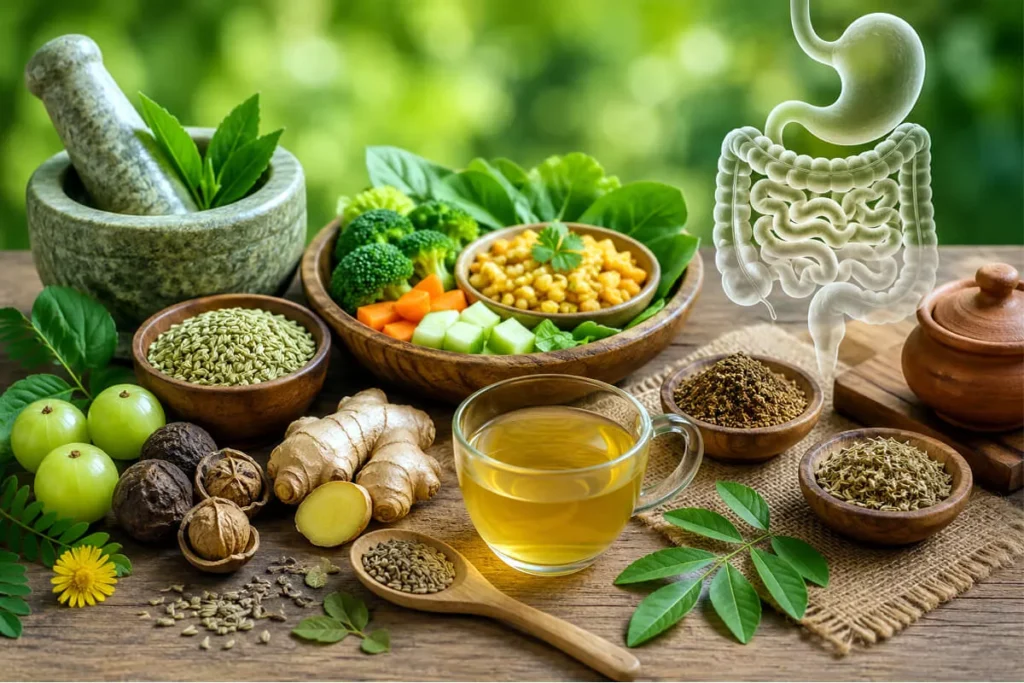
Ayurvedic Support for Digestive Wellness
A healthy digestive system plays an important role in overall well-being. Digestion influences how the body processes nutrients, maintains energy levels, supports regular bowel habits, and contributes to daily comfort.
Many people experience digestive concerns such as constipation, bloating, irregular bowel movements, heaviness after meals, or discomfort associated with piles. While modern lifestyles, dietary patterns, stress, and reduced physical activity can affect digestion, Ayurveda has traditionally focused on maintaining balance through food choices, daily routines, herbs, and holistic wellness practices.
This guide explores Ayurvedic support for digestive wellness, including constipation management habits, piles-related lifestyle guidance, gut-friendly foods, traditional herbs, and practical daily tips that may support digestive balance.
Why Digestive Health Matters
The digestive system does much more than break down food. Healthy digestion helps the body absorb essential nutrients, eliminate waste properly, and maintain a balanced internal environment.

When digestion becomes irregular, people may notice symptoms such as:
- Occasional constipation
- Gas and bloating
- Feeling heavy after meals
- Irregular bowel movements
- Abdominal discomfort
- Reduced appetite
- Changes in bowel habits
Supporting digestive wellness involves a combination of balanced nutrition, healthy routines, adequate hydration, movement, and stress management.
The Role of Digestion in Overall Wellness
Ayurveda traditionally describes digestion through the concept of Agni, often referred to as digestive fire. A balanced Agni is considered important for proper digestion and overall vitality.
According to Ayurvedic principles, digestive wellbeing may be influenced by:
- Food quality and eating habits
- Meal timing
- Sleep patterns
- Stress levels
- Physical activity
- Individual constitution (Prakriti)
Modern wellness approaches also recognise that lifestyle factors can influence digestive comfort and bowel regularity.
Common Signs of Digestive Imbalance
Digestive imbalance may appear differently from person to person.

Common signs include:
| Digestive Concern | Possible Experience |
|---|---|
| Slow digestion | Feeling full or heavy after eating |
| Irregular bowel habits | Difficulty maintaining regularity |
| Constipation | Hard stools or less frequent bowel movements |
| Digestive discomfort | Gas, bloating, or abdominal uneasiness |
| Poor eating routine | Changes in appetite or meal comfort |
Persistent or severe digestive symptoms should always be discussed with a qualified healthcare professional.
Understanding Constipation and Piles
What is Constipation?

Constipation refers to difficulty passing stools or having irregular bowel movements. It may involve:
- Hard stools
- Straining during bowel movements
- Feeling incomplete evacuation
- Reduced bowel frequency
Occasional constipation can happen due to lifestyle factors, diet changes, travel, stress, or reduced activity.
Common Causes of Constipation
Several everyday factors may contribute to constipation, including:
Low Fibre Intake
A diet lacking fibre-rich foods may affect stool consistency and bowel movement regularity.
Insufficient Fluid Intake
Adequate hydration supports normal body functions, including digestion.
Sedentary Lifestyle
Reduced movement may affect overall digestive comfort.
Stress and Poor Sleep
Mental stress and irregular sleep patterns can influence digestive routines.
Irregular Eating Habits
Eating at inconsistent times or consuming heavy meals frequently may affect digestive comfort.
What Are Piles?

Piles, also known as haemorrhoids, are swollen blood vessels in the lower rectal area.
They may be associated with symptoms such as:
- Discomfort during bowel movements
- Itching or irritation
- Bleeding during bowel movements
- Swelling around the anal area
Lifestyle habits that support softer stools and regular bowel movements may help maintain comfort.
Anyone experiencing persistent bleeding or significant discomfort should seek professional medical advice.
Ayurvedic Perspective on Digestive Wellness

Ayurveda traditionally focuses on maintaining balance between digestion, lifestyle, and overall wellbeing.
The Ayurvedic approach commonly includes:
- Supporting digestive strength
- Choosing suitable foods
- Following regular routines
- Maintaining healthy elimination habits
- Using traditional herbs appropriately
Rather than focusing only on symptoms, Ayurveda traditionally considers the individual’s lifestyle, constitution, and daily habits.
Importance of Agni (Digestive Fire)
In Ayurvedic philosophy, balanced Agni is considered important for:
- Comfortable digestion
- Nutrient processing
- Regular elimination
- Overall wellbeing
Daily habits that may support healthy digestion include:
- Eating mindfully
- Avoiding overeating
- Maintaining regular meal timing
- Including fresh and balanced foods
Ayurvedic Diet Tips for Better Digestion
Diet plays an important role in maintaining digestive comfort. Ayurveda traditionally emphasises choosing foods according to individual needs, digestion capacity, and lifestyle.
A balanced digestive wellness routine may include fresh foods, mindful eating habits, and a consistent meal schedule.
Foods That May Support Digestive Wellness
Some foods are traditionally considered supportive for digestion:
Fibre-Rich Foods
Dietary fibre may help maintain healthy bowel movements.
Examples include:
- Fruits such as apples, pears, and berries
- Vegetables
- Whole grains
- Legumes
- Seeds
Including fibre gradually in the diet may help the digestive system adjust comfortably.
Warm and Easily Digestible Meals
Ayurvedic practices often recommend warm, freshly prepared meals for digestive comfort.
Examples:
- Vegetable soups
- Light cooked meals
- Herbal teas
- Balanced home-cooked foods
Heavy, processed, or overly oily meals may feel difficult to digest for some individuals.
Hydration for Healthy Digestion
Drinking enough fluids throughout the day supports normal body functions.
Helpful habits may include:
- Starting the day with a healthy hydration routine
- Drinking water regularly
- Avoiding excessive sugary drinks
Hydration needs can vary depending on activity level, climate, and individual requirements.
Foods and Habits That May Affect Digestive Comfort
Certain lifestyle patterns may contribute to digestive discomfort for some people.
These may include:
- Frequent processed foods
- Low-fibre eating patterns
- Irregular meal timing
- Eating very large meals
- Lack of physical activity
The goal is not restriction but creating a balanced routine that supports long-term wellness.
Ayurvedic Herbs Traditionally Used for Digestive Support
Ayurveda has a long history of using herbs as part of traditional wellness practices. Herbs should be selected carefully and used according to individual needs.
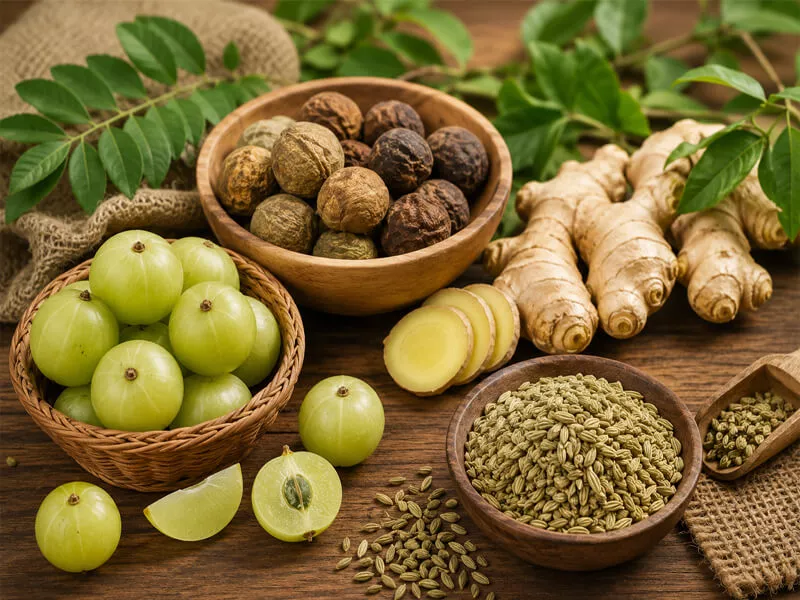
Triphala
Triphala is a traditional Ayurvedic herbal combination commonly used in digestive wellness routines.
It is traditionally associated with:
- Supporting digestive balance
- Supporting regular bowel habits
- Promoting overall gut wellness
Individual responses may vary.
Amla (Indian Gooseberry)
Amla is traditionally valued in Ayurveda for its nutritional properties.
It is commonly included in wellness routines for:
- Supporting general wellbeing
- Providing natural antioxidants
- Supporting healthy lifestyle practices
Ginger
Ginger has traditionally been used in many cultures to support digestion.
It is commonly used for:
- Digestive comfort
- Meal support
- Traditional wellness preparations
Fennel
Fennel seeds are traditionally used after meals in many households.
They may support:
- Comfortable digestion
- Fresh breath
- Traditional digestive routines
Lifestyle Habits for Gut Health
Digestive wellness is influenced not only by food but also by daily habits.

Follow a Consistent Daily Routine
Ayurveda traditionally highlights the importance of routine (Dinacharya).
Helpful habits include:
- Eating meals at regular times
- Maintaining consistent sleep schedules
- Creating time for relaxation
- Practising mindful eating
Stay Physically Active
Regular movement supports overall wellbeing.
Simple activities such as:
- Walking
- Yoga
- Stretching
- Daily mobility exercises
may support healthy digestion and bowel regularity.
Manage Stress Levels
Stress can influence many areas of health, including digestive comfort.
Wellness-supporting practices may include:
- Meditation
- Breathing exercises
- Relaxation techniques
- Adequate rest
Constipation Support: Practical Wellness Tips
For people experiencing occasional constipation, daily habits may help support digestive regularity.
Helpful approaches include:
Increase Fibre Gradually
Adding fibre slowly allows the body to adapt.
Maintain Hydration
Adequate fluids support normal bowel function.
Create Healthy Bathroom Habits
Avoid delaying bowel movements when possible.
Include Daily Movement
Physical activity supports overall digestive wellness.
Maintain Balanced Meals
A variety of nutritious foods supports overall gut health.
Piles Support: Lifestyle and Dietary Guidance
Piles-related discomfort may be influenced by bowel habits and lifestyle patterns.
Wellness-supporting practices include:
Support Softer Stool Consistency
A balanced diet containing fibre and fluids may support comfortable bowel movements.
Avoid Excessive Straining
Straining during bowel movements may increase discomfort.
Maintain Personal Hygiene
Gentle hygiene practices may support comfort.
Stay Active
Regular movement can support overall wellness routines.
Persistent symptoms, bleeding, or severe discomfort should be evaluated by a qualified healthcare professional.
Prevention Tips for Digestive Problems
Maintaining digestive wellness is often about consistency.
Practical prevention tips include:
| Healthy Habit | Digestive Wellness Benefit |
|---|---|
| Balanced meals | Supports nutrient intake |
| Regular movement | Supports body functions |
| Adequate fluids | Helps maintain normal hydration |
| Fibre-rich foods | Supports bowel regularity |
| Stress management | Supports overall wellbeing |
| Good sleep routine | Helps maintain healthy lifestyle balance |
Quick Takeaways
- Digestive wellness depends on diet, lifestyle, and daily habits.
- Ayurveda traditionally focuses on balance and personalised wellness.
- Fibre, hydration, and movement support healthy digestion.
- Traditional herbs may be used as part of a broader wellness routine.
- Constipation and piles support often involves healthy bowel habits.
- Professional guidance is recommended for persistent concerns.
Ayurvedic Digestive Wellness Routine (Simple Daily Guide)
Morning
- Drink water according to your needs
- Follow a consistent morning routine
- Include gentle movement
Daytime
- Eat balanced meals
- Stay active
- Maintain hydration
Evening
- Choose lighter meals if suitable
- Relax before sleep
- Maintain a regular sleep schedule
Need Personal Guidance?
Connect with a qualified wellness professional to understand which lifestyle approach may suit your needs.
Frequently Asked Questions (FAQs)
1. How does Ayurveda support digestive wellness?
Ayurveda traditionally supports digestion through balanced food choices, lifestyle routines, mindful eating, and traditional wellness practices that focus on maintaining balance.
2. Can Ayurveda help with constipation support?
Ayurvedic approaches may support healthy digestion through diet, lifestyle habits, hydration, and traditional herbs. Individual results and needs may vary.
3. Which Ayurvedic herbs are traditionally used for digestion?
Traditional Ayurvedic herbs commonly associated with digestion include Triphala, ginger, amla, and fennel. They should be used appropriately based on individual requirements.
4. What foods support healthy digestion?
Fibre-rich foods, balanced meals, vegetables, fruits, whole grains, and adequate hydration may support digestive wellness.
5. Can lifestyle changes improve bowel regularity?
Healthy habits such as regular movement, hydration, balanced meals, and consistent routines may support normal bowel habits.
6. What is the Ayurvedic view of gut health?
Ayurveda traditionally views digestion as an important part of overall wellbeing and focuses on maintaining balance through diet and lifestyle.
7. Are piles linked with constipation?
Constipation and straining may contribute to discomfort associated with piles. Supporting healthy bowel habits may help maintain comfort.
8. How can I improve digestion naturally?
Some supportive habits include mindful eating, staying active, drinking enough fluids, managing stress, and maintaining balanced meals.
9. When should someone seek professional advice?
Anyone experiencing persistent digestive issues, ongoing pain, unexplained weight changes, or bleeding should consult a qualified healthcare professional.
10. Is Ayurvedic digestive support suitable for everyone?
Ayurvedic wellness approaches may differ based on individual needs. It is recommended to seek professional guidance, especially for ongoing health concerns.
Educational Disclaimer
This article provides general wellness information and does not replace diagnosis, treatment, or personalised medical advice. Always consult a qualified healthcare professional for health concerns.
Conclusion:
“Maintaining digestive balance involves food choices, lifestyle habits, and personalised wellness guidance. If you need support, you can speak with an Ayurvedic wellness expert.”
Reviewed by
Dr. Arindham Chatterjee
Founder – Global Ayucare
This article was reviewed by Dr. Arindham Chatterjee, founder of Global Ayucare. He writes about herbal supplements and natural wellness practices based on traditional herbal knowledge and publicly available research.
View Author Profile →
Disclaimer
This content is for educational and informational purposes only and should not be considered medical advice. Supplements and herbal products are not intended to diagnose, treat, cure, or prevent any disease. Please consult a qualified healthcare professional before starting any supplement or wellness routine.
