

Female Care
Hormonal Imbalance in Women: Symptoms, Causes, Diet, Lifestyle & Ayurvedic Wellness Support

Apr
Reviewed by Ayurvedic Wellness Experts
This educational guide is designed to help women better understand hormonal balance, common symptoms linked to hormonal fluctuations, and lifestyle approaches that may support overall wellbeing. The information shared here is for educational purposes only and should not replace personalised medical advice.
Understanding Hormonal Imbalance in Women
Hormones are chemical messengers that help regulate many essential body functions including metabolism, mood, sleep, reproductive health, energy levels, skin health, and digestion. In women, hormonal balance plays an important role throughout every life stage—from puberty and menstruation to pregnancy and menopause.
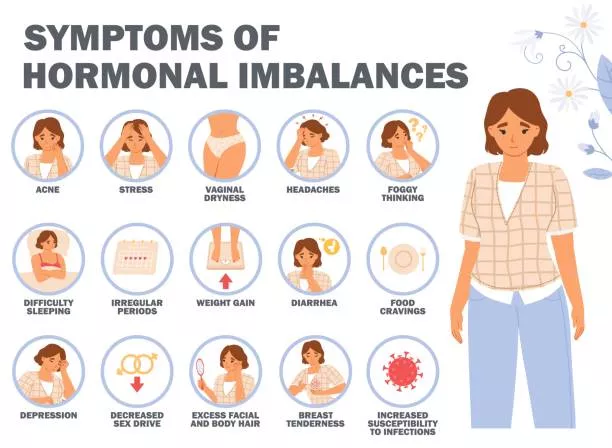
Hormonal fluctuations are natural. However, ongoing imbalance may contribute to symptoms that affect daily comfort, emotional wellbeing, and overall quality of life.
Common hormones involved in women’s wellness include:
- Oestrogen
- Progesterone
- Cortisol
- Insulin
- Thyroid hormones
- Testosterone
- Melatonin
Even small disruptions in hormone regulation may influence physical and emotional health.
Quick Takeaways
| Key Area | Important Insight |
|---|---|
| Stress | Chronic stress may affect cortisol and menstrual wellness |
| Diet | Nutrient-rich foods may support healthy hormone function |
| Sleep | Poor sleep can influence hormonal regulation |
| Skin | Hormonal changes may contribute to acne and sensitivity |
| Lifestyle | Daily routines play a major role in women’s wellness |
| Ayurveda | Traditionally focuses on balance, digestion, and holistic wellbeing |
Why Hormones Matter for Women’s Health
Hormones help coordinate communication between organs and systems throughout the body. Balanced hormone activity supports:
- Menstrual regularity
- Energy levels
- Mood stability
- Reproductive health
- Healthy metabolism
- Bone wellness
- Skin appearance
- Hair health
- Sleep quality
When hormone levels fluctuate significantly, women may experience a wide range of symptoms.
Common Symptoms of Hormonal Imbalance in Women
Symptoms can vary depending on age, lifestyle, stress levels, and underlying health conditions.
Physical Symptoms
- Irregular menstrual cycles
- Bloating
- Fatigue
- Weight fluctuations
- Hair thinning
- Dry skin
- Hormonal acne
- Headaches
- Breast tenderness
- Difficulty sleeping
Emotional & Mental Symptoms
- Mood swings
- Irritability
- Low motivation
- Brain fog
- Stress sensitivity
- Anxiety-related discomfort
Lifestyle-Related Signs
- Low energy during the day
- Difficulty managing stress
- Sugar cravings
- Poor sleep quality
- Reduced focus
Persistent symptoms should be evaluated by a qualified healthcare professional.
Major Causes of Hormonal Imbalance in Women
Hormonal fluctuations may occur due to multiple factors.
1. Chronic Stress
Stress may elevate cortisol levels, which can influence sleep, appetite, and menstrual wellness.
2. Poor Sleep Habits
Irregular sleep schedules may affect melatonin and cortisol regulation.
3. Nutritional Deficiencies
Low intake of healthy fats, protein, vitamins, and minerals may impact hormone production.
4. Sedentary Lifestyle
Lack of movement may influence metabolism and insulin sensitivity.
5. Menstrual Cycle Changes
Natural hormonal shifts occur during different stages of the menstrual cycle.
6. Perimenopause & Menopause
Hormonal transitions during midlife may contribute to:
- Hot flushes
- Mood changes
- Sleep difficulties
- Skin dryness
7. Environmental & Lifestyle Factors
- Excessive processed foods
- High sugar intake
- Smoking
- Alcohol
- Screen exposure late at night
Different Types of Hormonal Changes Women Experience
| Life Stage | Common Hormonal Changes |
|---|---|
| Puberty | Menstrual cycle development |
| Reproductive years | PMS, stress-related fluctuations |
| Pregnancy | Significant hormonal shifts |
| Perimenopause | Irregular cycles and mood changes |
| Menopause | Reduced oestrogen production |
Hormonal Health and Menstrual Wellness
Hormonal balance is closely linked with menstrual health.
Common menstrual-related concerns include:
- Irregular periods
- Heavy flow
- PMS symptoms
- Mood fluctuations
- Low energy
Tracking menstrual patterns may help women better understand their hormonal rhythms.
Helpful habits may include:
- Maintaining consistent sleep
- Staying hydrated
- Managing stress
- Gentle movement practices
- Balanced nutrition
Hormonal Balance and Skin Health
Hormonal changes may affect the skin’s oil production and sensitivity.
Common hormone-related skin concerns:
- Acne around the jawline
- Oily skin
- Dryness
- Skin dullness
- Increased sensitivity
Skincare Tips for Hormonal Wellness
- Use gentle cleansers
- Avoid over-exfoliation
- Prioritise hydration
- Eat antioxidant-rich foods
- Maintain healthy sleep habits
- Reduce excessive sugar intake
How Stress Impacts Hormonal Wellness
Stress is one of the most common lifestyle factors linked with hormonal imbalance.
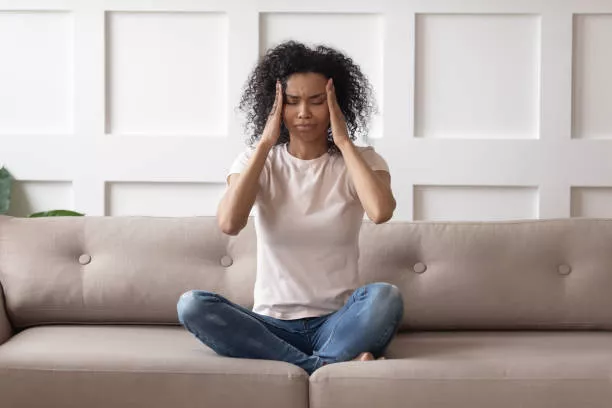
When the body experiences prolonged stress, cortisol levels may remain elevated. Over time, this may influence:
- Sleep quality
- Digestion
- Energy levels
- Mood
- Menstrual wellness
Stress Management Techniques
- Deep breathing
- Yoga
- Meditation
- Nature walks
- Limiting screen overload
- Journaling
- Relaxation routines before bed
Diet Tips for Hormonal Balance
Nutrition plays a significant role in supporting overall wellness.
Foods That May Support Hormonal Health

Healthy Fats
- Nuts
- Seeds
- Avocados
- Olive oil
Fibre-Rich Foods
- Vegetables
- Fruits
- Whole grains
Protein Sources
- Lentils
- Beans
- Eggs
- Greek yoghurt
Hydration Support
Proper hydration may support digestion and overall metabolic health.
Foods Women May Consider Limiting
| Foods | Why Moderation May Help |
|---|---|
| Excess sugar | May affect energy balance |
| Highly processed foods | Lower nutritional value |
| Excess caffeine | May worsen stress sensitivity |
| Deep-fried foods | May contribute to inflammation |
Best Lifestyle Habits for Hormone Support
Small daily habits may positively influence long-term wellness.
Practical Wellness Habits
- Sleep at consistent times
- Eat balanced meals
- Include regular movement
- Spend time outdoors
- Reduce chronic stress
- Maintain hydration
- Limit late-night screen exposure
Ayurvedic Perspective on Hormonal Wellness
In Ayurveda, women’s wellness is viewed through a holistic lens involving:
- Digestion (Agni)
- Daily routine (Dinacharya)
- Emotional balance
- Nutrition
- Sleep quality
- Mind-body harmony
Ayurvedic wellness traditions often focus on maintaining balance within the body rather than targeting isolated symptoms.
Ayurveda traditionally emphasises:
- Warm nourishing meals
- Mindful routines
- Stress reduction
- Herbal wellness support
- Seasonal lifestyle practices
Herbs Traditionally Used in Ayurveda for Women’s Wellness
Certain herbs have been traditionally used in Ayurvedic practices to support women’s wellness and vitality.
Commonly Used Ayurvedic Herbs
- Shatavari
- Ashwagandha
- Lodhra
- Guduchi
- Amla
These herbs are traditionally used in Ayurveda to support overall wellbeing and healthy lifestyle practices. Individual suitability may vary.
Before using herbal supplements, consult a qualified healthcare professional, especially during pregnancy, breastfeeding, or if taking medications.
Daily Routine Tips for Hormonal Support

Morning
- Wake at a consistent time
- Drink warm water
- Gentle stretching or yoga
- Nutritious breakfast
Afternoon
- Balanced lunch
- Hydration
- Short walks after meals
Evening
- Light dinner
- Reduce blue light exposure
- Relaxation practices
- Consistent bedtime routine
Sleep and Hormonal Regulation
Sleep is closely connected to hormonal wellness.
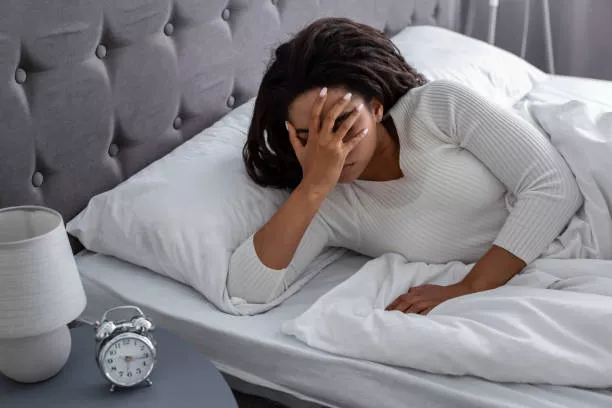
Poor sleep may influence:
- Cortisol
- Appetite regulation
- Energy balance
- Mood
- Insulin sensitivity
Better Sleep Tips
- Avoid screens before bed
- Keep the room cool and dark
- Limit caffeine late in the day
- Follow a calming nighttime routine
Exercise and Hormone Health
Regular movement may support metabolic and emotional wellbeing.
Helpful forms of movement:
- Walking
- Yoga
- Strength training
- Pilates
- Stretching
- Cycling
Excessive high-intensity exercise without recovery may increase physical stress in some individuals.
When to Speak with a Healthcare Professional
Women should consider professional guidance if symptoms are persistent, severe, or interfering with daily life.
Seek support for:
- Ongoing irregular cycles
- Severe fatigue
- Persistent mood changes
- Significant hair loss
- Severe acne
- Sudden weight changes
- Sleep difficulties
A healthcare professional can help identify underlying causes and recommend personalised guidance.
Expert Wellness Tips for Hormonal Support
Prioritise Consistency Over Perfection
Small sustainable habits often support long-term wellbeing more effectively than extreme routines.
Focus on Stress Reduction
Stress management is one of the most overlooked aspects of hormonal wellness.
Support Digestive Health
Balanced digestion may influence nutrient absorption and overall wellness.
Avoid Self-Diagnosis
Hormonal symptoms can overlap with other health conditions, making professional evaluation important.
Quick Daily Hormonal Wellness Checklist
- Drink enough water
- Include protein in meals
- Sleep 7–9 hours
- Move your body daily
- Practise stress management
- Reduce processed foods
- Maintain regular meal timings
Looking to support your wellness journey naturally? Explore Ayurvedic wellness support options designed for women’s daily wellbeing.
Frequently Asked Questions
1. What are the common symptoms of hormonal imbalance in women?
Common symptoms may include fatigue, mood changes, irregular periods, bloating, acne, sleep issues, and energy fluctuations.
2. Can stress affect hormones in women?
Yes. Chronic stress may influence cortisol levels and impact sleep, mood, and menstrual wellness.
3. Which foods may support hormonal balance?
Balanced meals containing healthy fats, fibre, protein, fruits, and vegetables may support overall wellness.
4. Can hormonal imbalance affect skin health?
Hormonal fluctuations may contribute to acne, oily skin, dryness, and increased sensitivity.
5. Is sleep important for hormonal wellness?
Yes. Sleep plays a major role in hormonal regulation and overall wellbeing.
6. What does Ayurveda say about hormonal balance?
Ayurveda traditionally focuses on holistic balance through nutrition, lifestyle routines, stress management, and herbal wellness support.
7. Which Ayurvedic herbs are commonly used for women’s wellness?
Shatavari, Ashwagandha, Lodhra, Guduchi, and Amla are traditionally used in Ayurvedic wellness practices.
8. Can exercise support hormone health?
Regular moderate exercise may support metabolic health, stress management, and emotional wellbeing.
9. When should I consult a healthcare professional?
Consult a qualified professional if symptoms are persistent, severe, or affecting daily life.
10. Can diet influence hormonal health?
Nutrition may influence energy balance, metabolism, and overall hormone-related wellness.
Reviewed by
Dr. Arindham Chatterjee
Founder – Global Ayucare
This article was reviewed by Dr. Arindham Chatterjee, founder of Global Ayucare. He writes about herbal supplements and natural wellness practices based on traditional herbal knowledge and publicly available research.
View Author Profile →
