

Calcium Deficiency
7 Symptoms of Calcium Deficiency in Adults: Signs, Causes, Diet Tips & Ayurvedic Wellness Support
Jan
Introduction
Calcium is one of the most important minerals required for overall health and wellbeing. While most people associate calcium with strong bones and teeth, it also plays a vital role in muscle function, nerve signalling, heart rhythm, and hormonal balance.
Many adults may not realise they have low calcium levels until symptoms begin affecting daily life. Mild calcium deficiency can sometimes go unnoticed for months, while prolonged deficiency may contribute to bone weakness, muscle discomfort, fatigue, and other wellness concerns.
In this guide, we explore the most common symptoms of calcium deficiency in adults, possible causes, lifestyle factors, dietary recommendations, and Ayurvedic wellness perspectives that may help support overall bone and muscle health naturally.
Quick Takeaways
| Topic | Key Insight |
|---|---|
| Main Mineral | Calcium |
| Important For | Bones, muscles, nerves, teeth |
| Common Symptoms | Muscle cramps, fatigue, brittle nails, numbness |
| Risk Factors | Poor diet, low vitamin D, ageing |
| Wellness Support | Balanced nutrition, sunlight, exercise, Ayurvedic lifestyle |
| When to Seek Help | Persistent symptoms or bone concerns |
What Is Calcium Deficiency?
Calcium deficiency, medically referred to as hypocalcemia, occurs when calcium levels in the body become lower than required for normal physiological function.
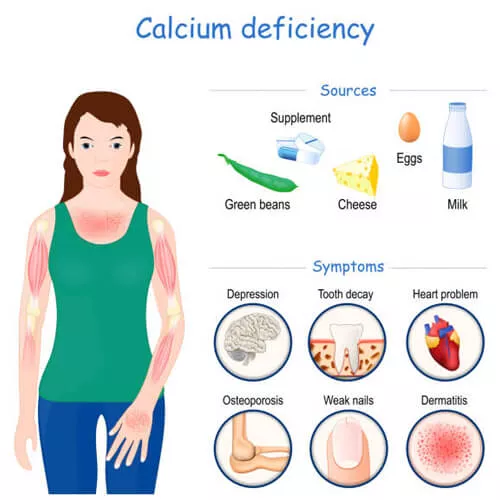
Calcium is stored mainly in bones and teeth. When dietary intake is insufficient, the body may start drawing calcium from bones to maintain essential body functions. Over time, this may affect bone density and overall skeletal wellness.
Low calcium levels may develop gradually due to:
- Poor dietary intake
- Low vitamin D levels
- Digestive absorption issues
- Hormonal changes
- Age-related factors
- Certain medications
- Lifestyle habits
Why Calcium Is Important for Adults
Calcium supports several critical functions in the body, including:
- Maintaining strong bones and teeth
- Supporting muscle contractions
- Assisting nerve communication
- Helping maintain healthy heart rhythm
- Supporting blood clotting mechanisms
- Contributing to hormonal regulation
Adults require consistent calcium intake because the body cannot produce calcium naturally.
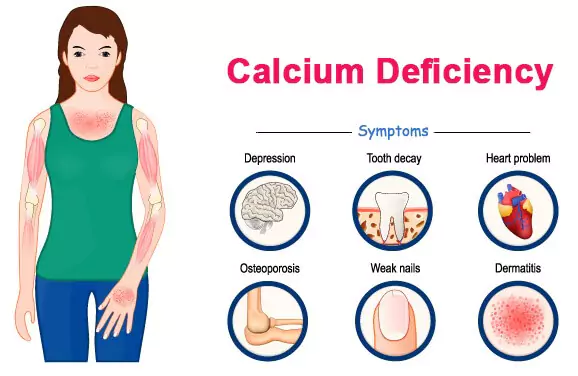
7 Common Symptoms of Calcium Deficiency in Adults
1. Muscle Cramps and Muscle Stiffness
One of the most common signs of low calcium levels is recurring muscle cramps, particularly in the:
- Legs
- Calves
- Feet
- Back muscles
Some people may also experience muscle twitching or stiffness after physical activity.
Low calcium may affect normal muscle contraction and relaxation processes, leading to discomfort and tightness.
Wellness Tip
Gentle stretching, hydration, magnesium-rich foods, and balanced calcium intake may help support muscle wellness.
2. Tingling or Numbness
Calcium plays a role in nerve signalling. Deficiency may sometimes contribute to sensations such as:
- Tingling in fingers
- Numbness around the mouth
- Pins-and-needles sensation in hands or feet
These symptoms may become more noticeable during periods of stress or fatigue.
3. Weak or Brittle Nails
Weak nails that split or break easily may sometimes indicate nutritional deficiencies, including low calcium intake.
While brittle nails can have multiple causes, inadequate mineral intake may affect nail strength over time.
Additional Signs
- Dry skin
- Rough texture
- Weak hair structure
4. Fatigue and Low Energy Levels
Persistent tiredness or low stamina may sometimes be associated with calcium imbalance, especially when accompanied by poor sleep or muscle discomfort.
Calcium supports proper nerve and muscle function, both of which influence energy levels and daily activity.
Lifestyle Support
- Adequate sleep
- Balanced meals
- Hydration
- Regular movement
- Stress management
5. Dental Problems
Calcium is essential for healthy teeth. Low calcium intake over time may contribute to:
- Tooth sensitivity
- Weak enamel
- Gum discomfort
- Increased dental issues
Maintaining oral hygiene alongside nutrient-rich nutrition is important for long-term dental wellness.
6. Bone Weakness or Frequent Discomfort
Long-term calcium deficiency may gradually affect bone density and skeletal strength.
Some adults may experience:
- Joint discomfort
- Reduced bone strength
- Back discomfort
- Increased susceptibility to bone-related concerns
Women after menopause may be at higher risk due to hormonal changes affecting bone metabolism.
7. Mood Changes and Poor Concentration
Some individuals with nutritional imbalances may report:
- Irritability
- Difficulty concentrating
- Mood fluctuations
- Brain fog
Although multiple factors can influence mental wellbeing, balanced nutrition remains an important part of overall health support.
What Causes Calcium Deficiency?
Several factors may contribute to low calcium levels in adults.
Poor Dietary Intake
Low consumption of calcium-rich foods remains one of the leading causes.
Common Dietary Gaps
- Skipping dairy products
- Highly processed diets
- Low vegetable intake
- Excessive soft drink consumption
Vitamin D Deficiency
Vitamin D helps the body absorb calcium effectively.
Without sufficient vitamin D, calcium absorption may become less efficient even if dietary intake appears adequate.
Sources of Vitamin D
- Sunlight exposure
- Fortified foods
- Fatty fish
- Nutritional supplements (under professional guidance)
Digestive Disorders
Certain digestive conditions may affect nutrient absorption, including:
- IBS
- Coeliac disease
- Inflammatory bowel conditions
Hormonal Changes
Hormones influence calcium balance. Hormonal shifts during:
- Menopause
- Thyroid conditions
- Ageing
may impact bone health over time.
Excessive Caffeine or Alcohol
High intake of caffeine or alcohol may influence calcium balance and mineral absorption in some individuals.
Moderation is important for overall wellness.
Who Is More at Risk of Low Calcium Levels?
Certain groups may have a higher likelihood of calcium deficiency:
| Higher Risk Groups | Why |
|---|---|
| Older adults | Reduced absorption |
| Postmenopausal women | Hormonal changes |
| Vegans with poor planning | Lower calcium intake |
| Individuals with low vitamin D | Reduced calcium absorption |
| People with digestive disorders | Malabsorption concerns |
| Sedentary individuals | Reduced bone stimulation |
Calcium-Rich Foods for Better Bone Health
A balanced diet is one of the best ways to support healthy calcium levels naturally.
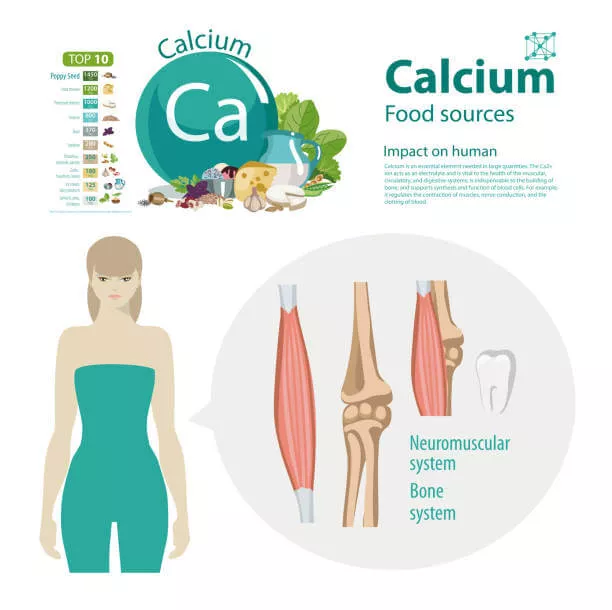
Dairy Sources
- Milk
- Yoghurt
- Cheese
Plant-Based Calcium Sources
- Sesame seeds
- Almonds
- Tofu
- Kale
- Broccoli
- Bok choy
Additional Supportive Foods
- Sardines
- Fortified plant milk
- Figs
- Chia seeds
Sample Calcium-Friendly Daily Routine
Morning
- Warm water
- Light stretching
- Sun exposure
Breakfast
- Fortified oats with almonds and seeds
Lunch
- Green vegetables and protein-rich foods
Evening
- Herbal tea
- Gentle walk
Dinner
- Balanced meal with leafy vegetables
Lifestyle Tips to Support Healthy Calcium Levels
Stay Physically Active
Weight-bearing exercises may help support bone strength.

Helpful Activities
- Walking
- Yoga
- Resistance training
- Stretching exercises
Improve Vitamin D Exposure
Moderate sunlight exposure may support natural vitamin D production.
Reduce Excess Processed Foods
Highly processed foods may contribute to nutritional imbalance over time.
Maintain Good Sleep Habits
Proper rest supports hormonal balance and overall recovery.
Ayurvedic Perspective on Calcium Deficiency
In Ayurveda, bone tissue health is often associated with “Asthi Dhatu.” Balanced nutrition, digestion, and lifestyle practices are considered important for maintaining musculoskeletal wellness.
Ayurvedic wellness practices may include:
- Balanced daily routine
- Herbal wellness support
- Oil massage practices
- Digestive health support
- Mineral-rich nutrition
- Stress management
Traditionally used Ayurvedic herbs and formulations may be included as part of holistic wellness support under professional guidance.
Ayurvedic Wellness Practices Often Recommended
- Abhyanga (oil massage)
- Yoga and stretching
- Warm nourishing meals
- Herbal wellness consultation
- Lifestyle balance
Important: Ayurvedic products should be selected with guidance from a qualified practitioner, especially for individuals with existing medical conditions or ongoing treatments.
When Should You Speak to a Healthcare Professional?
It may be important to seek professional advice if you experience:
- Persistent muscle cramps
- Bone discomfort
- Frequent numbness
- Severe fatigue
- Recurrent dental issues
- Suspected nutritional deficiencies
Healthcare professionals may recommend:
- Blood tests
- Vitamin D assessment
- Nutritional evaluation
- Bone health assessment
Prevention Tips for Long-Term Bone Wellness
Prioritise Nutrient-Dense Meals
Include calcium-rich foods regularly.
Stay Active
Regular movement helps maintain bone strength.
Monitor Vitamin D Levels
Adequate vitamin D supports calcium absorption.
Avoid Smoking
Smoking may negatively affect bone health.
Manage Stress
Long-term stress may impact overall wellness and lifestyle habits.
Expert Wellness Insights
Maintaining healthy calcium levels involves more than supplementation alone. A balanced combination of nutrition, exercise, digestion support, healthy sleep, and regular wellness monitoring plays an important role in long-term bone and muscle health.
Adults experiencing recurring symptoms should seek personalised guidance from a healthcare professional for appropriate evaluation and nutritional support.
Frequently Asked Questions
What are the early symptoms of calcium deficiency in adults?
Early signs may include muscle cramps, fatigue, tingling sensations, weak nails, and low energy levels.
Can calcium deficiency cause muscle pain?
Low calcium levels may affect muscle function and contribute to cramps or stiffness in some individuals.
Which foods are highest in calcium?
Milk, yoghurt, sesame seeds, tofu, almonds, and leafy greens are commonly considered calcium-rich foods.
Can vitamin D deficiency affect calcium absorption?
Yes, vitamin D helps the body absorb calcium efficiently.
Is calcium deficiency common in adults?
It may occur due to poor dietary intake, ageing, digestive issues, or low vitamin D levels.
Can low calcium affect sleep?
Some individuals with nutritional imbalances may report poor sleep quality or muscle discomfort at night.
Does caffeine reduce calcium absorption?
Excessive caffeine intake may influence calcium balance in some people.
Are postmenopausal women at higher risk?
Hormonal changes after menopause may affect bone density and calcium metabolism.
Can Ayurveda support bone wellness?
Ayurvedic wellness approaches may support overall lifestyle balance and musculoskeletal wellbeing when used appropriately.
Should I take calcium supplements daily?
Supplement use should ideally be guided by a healthcare professional based on individual nutritional needs.
Reviewed by
Dr. Arindham Chatterjee
Founder – Global Ayucare
This article was reviewed by Dr. Arindham Chatterjee, founder of Global Ayucare. He writes about herbal supplements and natural wellness practices based on traditional herbal knowledge and publicly available research.
View Author Profile →
Medical Disclaimer
This article is intended for informational and educational purposes only and should not be considered medical advice, diagnosis, or treatment. Always consult a qualified healthcare professional before making changes to your diet, supplements, wellness routine, or healthcare plan.
