

Bronchitis
Whooping Cough Outbreaks: Symptoms, Prevention Tips & Natural Wellness Support Guide

Sep
Introduction
Whooping cough outbreaks can raise concerns among families, communities, and individuals looking to protect their respiratory health. Understanding how whooping cough spreads, recognising common symptoms, and following healthy prevention habits can help people make informed wellness decisions.
Whooping cough, also known as pertussis, is a respiratory condition associated with persistent coughing episodes. It can affect people of different ages, although certain groups may require extra attention and professional guidance.
A strong wellness approach focuses on prevention, healthy lifestyle choices, proper hygiene, balanced nutrition, and supporting overall body resilience.
This guide explains:
- What is whooping cough
- Common symptoms
- Causes and triggers
- Prevention strategies
- Lifestyle habits
- Dietary support
- Ayurvedic wellness perspective
- Frequently asked questions
Educational Note: This article provides general wellness information and should not replace advice from a qualified healthcare professional.
What Is Whooping Cough?
Whooping cough is a contagious respiratory illness commonly associated with repeated coughing spells. It is linked with a bacterial infection that affects the airways and may cause irritation in the throat and lungs.

The condition gets its name from the characteristic “whoop” sound that some people make while breathing in after intense coughing episodes.
Symptoms can vary from person to person. Some individuals may experience mild symptoms, while others may develop stronger coughing episodes that require medical attention.
Why Do Whooping Cough Outbreaks Happen?
Outbreaks may occur when the infection spreads more easily within communities.
Factors that can influence outbreaks include:
- Close contact between people
- Seasonal respiratory changes
- Reduced immunity in some individuals
- Community transmission
- Exposure in crowded environments
Maintaining good hygiene and supporting general wellness can play an important role in reducing the spread of respiratory infections.
Common Whooping Cough Symptoms
Recognising symptoms early can help people take appropriate steps and seek professional advice when needed.
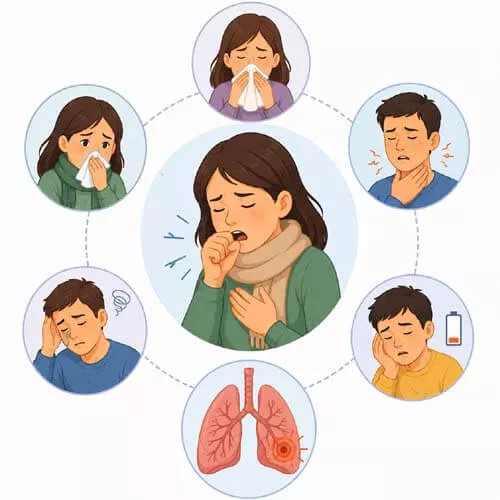
Early Symptoms
The early stage may feel similar to a common cold.
Possible signs include:
- Runny nose
- Mild cough
- Sneezing
- Tiredness
- Low energy
- Throat irritation
Because early symptoms can appear mild, some people may not immediately recognise the condition.
Later Symptoms
As the condition progresses, coughing may become more noticeable.
Possible symptoms include:
- Frequent coughing episodes
- Strong coughing fits
- Difficulty sleeping due to coughing
- Chest discomfort from repeated coughing
- Breathing difficulty during severe episodes
If symptoms become severe or concerning, consulting a healthcare professional is important.
Causes and Risk Factors
Whooping cough spreads mainly through respiratory droplets when an infected person coughs or sneezes.

Common Risk Factors
Some factors that may increase exposure risk include:
Close Contact
Spending time near someone with respiratory symptoms may increase the chance of transmission.
Crowded Areas
Places with many people in close spaces may allow infections to spread more easily.
Reduced Body Resilience
A balanced lifestyle that supports overall wellness may help the body respond better to health challenges.
Whooping Cough Prevention Tips
Prevention focuses on reducing exposure and maintaining healthy daily habits.

1. Practice Good Hygiene
Simple hygiene habits include:
- Washing hands regularly
- Avoiding touching the face with unwashed hands
- Covering coughs and sneezes
- Keeping shared spaces clean
These habits support general respiratory wellness.
2. Maintain a Healthy Lifestyle
Daily wellness habits can support overall health.
Helpful practices include:
- Regular movement
- Adequate rest
- Stress management
- Balanced meals
- Proper hydration
A healthy routine supports the body’s natural functions.
3. Support Respiratory Wellness
Respiratory wellness can be encouraged through:
- Fresh air exposure
- Avoiding smoke and irritants
- Maintaining indoor cleanliness
- Practising mindful breathing techniques
Diet and Lifestyle Support for Respiratory Wellness
Nutrition plays an important role in maintaining general wellbeing.

Foods That Support Overall Wellness
A balanced diet may include:
- Fresh fruits
- Vegetables
- Whole grains
- Protein-rich foods
- Healthy fats
- Sufficient fluids
Hydration is especially important for maintaining normal throat comfort and overall body function.
Ayurvedic Perspective on Respiratory Wellness
Ayurveda traditionally focuses on maintaining balance between the body, mind, diet, and lifestyle.
From an Ayurvedic wellness perspective, respiratory health is often connected with:
- Balanced daily routines
- Seasonal lifestyle practices
- Nourishing foods
- Herbal traditions
- Mind-body wellbeing
Certain herbs have traditionally been used in Ayurveda to support general respiratory wellness, but individual needs can vary.
A qualified Ayurvedic practitioner or healthcare professional can provide personalised guidance.
Practical Management Tips for Whooping Cough Wellness Support
When dealing with respiratory discomfort, supportive daily habits can help maintain comfort and overall wellbeing.
These approaches are focused on general wellness support and should be used alongside professional medical advice when needed.
1. Prioritise Rest and Recovery
The body requires energy to manage health challenges.
Helpful habits include:
- Getting enough sleep
- Taking regular breaks
- Avoiding excessive physical strain
- Maintaining a calming bedtime routine
Quality rest supports normal immune function and overall health balance.
2. Stay Hydrated
Drinking enough fluids supports normal body functions.
Hydration may help with:
- Maintaining throat comfort
- Supporting mucus balance
- Preventing dehydration during periods of coughing
Healthy choices may include:
- Water
- Warm herbal beverages
- Nutrient-rich fluids
3. Maintain a Clean Environment
A healthier environment supports respiratory wellbeing.
Helpful steps:
- Keep rooms well ventilated
- Reduce dust exposure
- Avoid smoke and strong irritants
- Clean frequently touched surfaces
Small daily actions can contribute to better respiratory hygiene.
Ayurvedic Lifestyle Approach for Respiratory Wellness
Ayurveda traditionally emphasises prevention through a balanced lifestyle rather than focusing only on symptoms.
A supportive routine may include:
Balanced Daily Routine (Dinacharya)
Traditional Ayurvedic wellness practices encourage:
- Consistent sleep schedules
- Mindful eating habits
- Stress reduction
- Gentle movement
- Personal hygiene
A balanced routine may support overall vitality.
Traditional Herbal Wellness Support
Ayurvedic traditions commonly use herbs for general wellness support.

Examples traditionally associated with respiratory wellness include:
These ingredients have traditional uses, but suitability depends on individual health conditions, medications, and personal needs.
Always consult a qualified healthcare or Ayurvedic professional before using herbs for specific health concerns.
Quick Takeaways: Staying Safe During Whooping Cough Outbreaks
Key points to remember:
✓ Understand common symptoms
✓ Maintain good hygiene habits
✓ Support your daily wellness routine
✓ Eat a balanced diet
✓ Stay hydrated
✓ Reduce exposure to respiratory irritants
✓ Seek professional advice for concerning symptoms
A prevention-focused lifestyle can support better overall respiratory wellbeing.
Whooping Cough Prevention Checklist
| Wellness Habit | Why It Matters |
|---|---|
| Regular hand washing | Supports infection prevention habits |
| Balanced nutrition | Helps maintain general wellness |
| Proper sleep | Supports body recovery |
| Hydration | Maintains normal body functions |
| Clean environment | Reduces exposure to irritants |
| Professional guidance | Helps with personalised care |
When Should You Speak With a Healthcare Professional?
Professional advice is recommended if someone experiences:
- Persistent or worsening cough
- Breathing difficulties
- Severe weakness
- Symptoms affecting daily activities
- Concerns about vulnerable family members
Early guidance can help individuals make appropriate health decisions.
Conclusion
Whooping cough outbreaks highlight the importance of awareness, prevention, and healthy lifestyle habits.
Understanding symptoms, practising hygiene, maintaining a nutritious diet, and supporting respiratory wellness can help individuals take proactive steps.
Ayurvedic wellness traditions also emphasise balanced routines, mindful living, and natural approaches that support overall wellbeing.
For personalised concerns, always consult a qualified healthcare professional.
FAQs (SEO Optimized)
1. What is whooping cough?
Whooping cough is a contagious respiratory illness associated with repeated coughing episodes. It can cause symptoms ranging from mild cold-like signs to stronger coughing fits.
2. What are the common symptoms of whooping cough?
Common symptoms may include:
- Persistent cough
- Runny nose
- Throat irritation
- Fatigue
- Coughing episodes
Symptoms can vary between individuals.
3. How does whooping cough spread?
Whooping cough can spread through respiratory droplets when an infected person coughs or sneezes.
Good hygiene and prevention habits may help reduce exposure.
4. How can I stay safe during whooping cough outbreaks?
Helpful steps include:
- Washing hands regularly
- Maintaining clean surroundings
- Following healthy lifestyle habits
- Avoiding close contact with people who are unwell
5. Can lifestyle habits support respiratory health?
Yes, healthy habits such as balanced nutrition, adequate sleep, hydration, and stress management support overall wellness.
6. What foods support respiratory wellness?
A balanced diet with fruits, vegetables, whole foods, and sufficient fluids supports general health.
No single food replaces professional medical care.
7. Does Ayurveda support respiratory wellness?
Ayurveda traditionally focuses on maintaining balance through diet, lifestyle, herbs, and daily routines.
Individual guidance from a qualified practitioner is recommended.
8. Are herbal remedies suitable for everyone?
Not always. Herbal ingredients may interact with medications or may not suit certain individuals.
Professional guidance is recommended.
9. How long can whooping cough symptoms last?
The duration varies depending on individual factors. Anyone with concerns about symptoms should seek professional advice.
10. Can children and adults both get whooping cough?
Yes, people of different ages can experience whooping cough, although symptoms and risks may differ.
11. What daily habits support immune wellness?
Helpful habits include:
- Good sleep
- Regular movement
- Balanced meals
- Stress management
- Hydration
12. Should I consult a doctor for a severe cough?
Yes. Severe, persistent, or concerning symptoms should be discussed with a healthcare professional.
Reviewed by
Dr. Arindham Chatterjee
Founder – Global Ayucare
This article was reviewed by Dr. Arindham Chatterjee, founder of Global Ayucare. He writes about herbal supplements and natural wellness practices based on traditional herbal knowledge and publicly available research.
View Author Profile →
Disclaimer
This content is for educational and informational purposes only and should not be considered medical advice. Supplements and herbal products are not intended to diagnose, treat, cure, or prevent any disease. Please consult a qualified healthcare professional before starting any supplement or wellness routine.
